Post
Seasonal Produce Farming Guide for Sustainable Harvests
May
Seasonal Produce Farming Guide for Sustainable Harvests
Seasonal produce farming plays a vital role in modern agriculture by supporting sustainable food production, improving soil health, reducing environmental impact, and increasing farm profitability. Consumers today are increasingly interested in fresh, locally grown fruits and vegetables that are harvested during their natural growing seasons. As a result, farmers who understand seasonal farming techniques can build more productive and environmentally responsible agricultural systems.
A successful seasonal farming strategy involves proper crop planning, soil management, water conservation, pest control, and harvest timing. Whether you manage a small organic farm or a large commercial operation, learning how to grow seasonal produce efficiently can lead to healthier crops, higher yields, and long-term sustainability.
This comprehensive seasonal produce farming guide explores the best practices, strategies, and sustainable techniques for achieving reliable harvests throughout the year.

What Is Seasonal Produce Farming?
Seasonal produce farming refers to growing fruits, vegetables, and other crops during their ideal natural growing periods. Instead of forcing crops to grow outside their preferred climate conditions, seasonal farming works in harmony with local weather patterns and environmental cycles.
Examples of seasonal produce include:
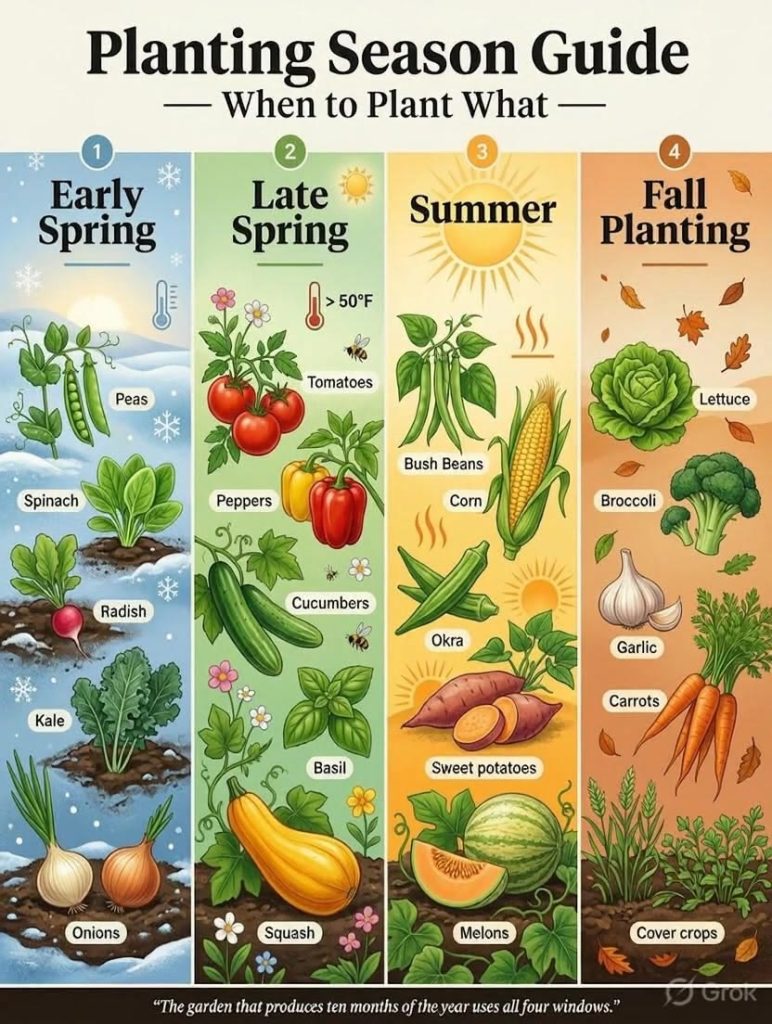
Spring Crops – Seasonal Produce Farming Guide
- Lettuce
- Spinach
- Peas
- Strawberries
- Radishes
Summer Crops
- Tomatoes
- Cucumbers
- Corn
- Watermelons
- Peppers
Fall Crops
- Pumpkins
- Carrots
- Broccoli
- Apples
- Sweet potatoes
Winter Crops
- Kale
- Brussels sprouts
- Garlic
- Cabbage
- Onions
Growing crops seasonally improves quality, taste, and nutritional value while reducing the need for excessive artificial inputs.
Benefits of Seasonal Produce Farming
Seasonal farming provides many economic, environmental, and agricultural benefits.
Higher Crop Quality
Seasonal crops grow under ideal environmental conditions, resulting in:
- Better flavor
- Improved texture
- Higher nutritional content
- Better market value
Reduced Production Costs
Farmers can lower expenses by reducing:
- Artificial heating
- Excessive irrigation
- Chemical fertilizers
- Pest control costs
Improved Soil Health
Seasonal crop rotation helps maintain nutrient balance and prevents soil degradation.
Environmental Sustainability
Seasonal agriculture reduces energy consumption and supports biodiversity.
Better Market Demand
Consumers increasingly prefer fresh, local, and seasonal produce because of its superior quality and sustainability benefits.
Understanding Climate and Growing Seasons
Climate conditions strongly influence successful seasonal farming.
Key Climate Factors
Farmers must monitor:
- Temperature
- Rainfall
- Frost dates
- Humidity
- Sunlight exposure
- Wind conditions
Understanding local climate patterns helps farmers select the right crops for each season.
USDA Hardiness Zones and Regional Planning
Different regions support different crop varieties. Farmers should choose crops that match their local growing zones and seasonal weather conditions.
Careful planning reduces crop failure risks and improves harvest reliability.
Soil Preparation for Sustainable Harvests
Healthy soil is essential for productive seasonal farming.
Conduct Soil Testing
Soil testing identifies:
- Nutrient levels
- Soil pH
- Organic matter content
- Drainage conditions
Regular testing allows farmers to apply fertilizers more accurately and sustainably.
Improve Soil Structure
Good soil structure supports root growth, moisture retention, and nutrient absorption.
Add Organic Matter
Organic materials improve fertility and microbial activity.
Common soil amendments include:
- Compost
- Animal manure
- Green manure
- Cover crops
- Mulch
Prevent Soil Erosion
Sustainable farms protect soil using:
- Contour farming
- Mulching
- Reduced tillage
- Windbreaks
- Cover cropping
Healthy soil creates a strong foundation for long-term agricultural success.
Crop Rotation for Seasonal Farming Success
Crop rotation is one of the most effective sustainable farming practices.
Why Crop Rotation Matters
Growing the same crop repeatedly depletes nutrients and increases pest pressure.
Rotating crops helps:
- Restore soil nutrients
- Reduce weed growth
- Prevent diseases
- Improve soil structure
- Increase biodiversity
Example Crop Rotation Plan
Year 1
Legumes such as beans or peas add nitrogen to the soil.
Year 2
Leafy vegetables use nitrogen-rich soil efficiently.
Year 3
Root vegetables improve soil aeration.
Year 4
Fruit-bearing crops maximize nutrient utilization.
Proper crop rotation improves farm productivity and sustainability over time.

Choosing the Right Seasonal Crops
Selecting suitable crops is critical for successful harvests.
Factors to Consider
Farmers should evaluate:
- Local climate
- Soil conditions
- Water availability
- Market demand
- Growing season length
- Pest resistance
Popular Seasonal Farming Crops
Fast-Growing Crops
- Lettuce
- Radishes
- Spinach
High-Profit Crops
- Tomatoes
- Strawberries
- Peppers
Drought-Tolerant Crops
- Sweet potatoes
- Okra
- Sorghum
Diversifying crops also reduces financial risks and improves farm resilience.
Efficient Water Management Techniques
Water conservation is essential for sustainable farming.
Importance of Irrigation Planning
Poor water management can lead to:
- Root diseases
- Nutrient leaching
- Water waste
- Reduced crop yields
Best Irrigation Methods
Drip Irrigation
Drip systems deliver water directly to plant roots.
Benefits include:
- Reduced water waste
- Better nutrient efficiency
- Lower weed growth
- Improved crop health
Rainwater Harvesting
Collecting and storing rainwater supports sustainable irrigation practices.
Mulching for Moisture Retention
Mulch reduces evaporation and keeps soil cool during hot weather.
Efficient water management lowers operating costs and supports long-term sustainability.
Natural Pest and Disease Control Methods
Pests and diseases can severely damage seasonal crops.
Integrated Pest Management (IPM)
Integrated Pest Management combines biological, cultural, and mechanical pest control methods.
Sustainable Pest Control Strategies
Encourage Beneficial Insects
Natural predators help control harmful pests.
Examples include:
- Ladybugs
- Lacewings
- Parasitic wasps
Crop Diversity
Growing multiple crop varieties reduces the spread of pests and diseases.
Use Organic Pesticides
Organic pest control options include:
- Neem oil
- Insecticidal soap
- Bacillus thuringiensis (Bt)
Remove Infected Plants Quickly
Early action prevents widespread crop damage.
Sustainable pest management protects crops while reducing chemical dependency.
Seasonal Planting Schedules
Timing is crucial in seasonal farming.
Benefits of Proper Planting Schedules
Correct planting times help farmers:
- Maximize yields
- Avoid frost damage
- Reduce pest pressure
- Improve crop quality
Spring Planting Tips
Spring is ideal for cool-season crops.
Important practices include:
- Preparing raised beds
- Monitoring frost risks
- Starting seedlings indoors
Summer Planting Tips
Summer crops require:
- Consistent irrigation
- Heat protection
- Mulching for moisture retention
Fall Planting Tips
Fall farming focuses on cool-weather vegetables and soil restoration.
Winter Farming Strategies
Farmers can extend growing seasons using:
- Greenhouses
- Row covers
- Cold frames
- Hoop houses
Year-round planning supports continuous farm productivity.
Sustainable Fertilizer Management
Balanced nutrition is essential for healthy crops.
Organic Fertilizer Options
Many sustainable farms prefer organic fertilizers such as:
- Compost
- Fish emulsion
- Bone meal
- Seaweed extract
Avoid Over-Fertilization
Excess fertilizer can:
- Damage crops
- Pollute water sources
- Degrade soil quality
Apply Nutrients Strategically
Farmers should match fertilizer applications to crop growth stages for maximum efficiency.
Proper nutrient management improves yields while protecting the environment.
Using Technology in Seasonal Farming
Modern farming technology improves efficiency and decision-making.
Precision Agriculture Tools
Soil Moisture Sensors
Sensors help farmers monitor irrigation needs accurately.
Drones for Crop Monitoring
Agricultural drones can detect:
- Plant stress
- Pest infestations
- Nutrient deficiencies
- Irrigation problems
Farm Management Software
Digital platforms help track:
- Planting schedules
- Crop performance
- Input costs
- Harvest data
Technology helps farmers optimize production and reduce waste.
Sustainable Harvesting and Post-Harvest Practices
Harvesting at the right time preserves crop quality and market value.
Signs of Crop Readiness
Different crops mature differently based on:
- Color
- Size
- Moisture levels
- Firmness
Reduce Post-Harvest Losses
Proper handling is essential for maintaining freshness.
Best Post-Harvest Practices
- Gentle handling
- Proper storage temperatures
- Moisture control
- Fast transportation
- Clean storage facilities
Reducing post-harvest losses increases farm profitability and food sustainability.
Marketing Seasonal Produce Successfully
Growing quality produce is only part of a successful farming business. Effective marketing is equally important.
Popular Sales Channels
Farmers can sell through:
- Farmers markets
- Grocery stores
- Restaurants
- Community-supported agriculture (CSA)
- Online produce delivery
Benefits of Local Seasonal Produce Marketing
Consumers value:
- Freshness
- Better taste
- Reduced transportation emissions
- Support for local farmers
Strong branding and quality control help farmers build loyal customer bases.
Common Challenges in Seasonal Produce Farming
Seasonal farming also presents challenges.
Weather Uncertainty
Extreme weather events can damage crops unexpectedly.
Pest Outbreaks
Changing climates may increase pest populations.
Labor Shortages
Harvest seasons often require significant labor.
Market Price Fluctuations
Seasonal oversupply may reduce profits.
Farmers who diversify crops and adopt sustainable practices are better prepared to manage these risks.
Future Trends in Sustainable Seasonal Farming
Agriculture continues evolving toward sustainability and efficiency.
Emerging Trends
- Climate-smart agriculture
- Organic farming expansion
- Urban farming
- Vertical farming
- AI-powered farm management
- Regenerative agriculture
These innovations aim to improve food security while protecting natural resources.
Conclusion
Seasonal produce farming offers a sustainable path toward healthier crops, stronger ecosystems, and long-term agricultural success. By aligning farming practices with natural growing cycles, farmers can improve crop quality, reduce environmental impact, and increase profitability.
Successful seasonal farming depends on careful planning, healthy soil management, efficient irrigation, crop rotation, sustainable pest control, and proper harvest timing. Farmers who adopt these practices can create more resilient agricultural systems capable of adapting to changing environmental and market conditions.
As consumers continue demanding fresh and environmentally responsible produce, seasonal farming will remain an essential part of sustainable agriculture. By investing in smarter farming strategies and sustainable practices, growers can achieve productive harvests while protecting the future of farming for generations to come.
