Post
Innovative Farming Inputs That Save Time and Money
May
Innovative Farming Inputs That Save Time and Money
Introduction
Modern agriculture is rapidly evolving as farmers seek smarter ways to improve productivity, reduce labor costs, and maximize profitability. Rising fuel prices, labor shortages, climate change, and increasing food demand have pushed the agricultural industry toward innovation. Today, innovative farming inputs are helping farmers save both time and money while improving crop yields, livestock performance, and overall farm efficiency.
Farming inputs include all the materials, technologies, and resources used in agricultural production, such as seeds, fertilizers, irrigation systems, machinery, animal feed, pesticides, and smart farming technologies. Traditional farming methods often require intensive manual labor and high operational costs. However, modern agricultural innovations now allow farmers to automate tasks, optimize resource usage, and reduce waste.
Innovative farming inputs are transforming every area of agriculture, from crop cultivation and irrigation management to livestock care and precision farming. Farmers who adopt modern agricultural solutions can improve efficiency, reduce production costs, conserve resources, and increase long-term sustainability.
This comprehensive guide explores the most effective innovative farming inputs that save time and money, how they improve agricultural productivity, and why modern farms increasingly rely on advanced farming technologies.
Why Innovative Farming Inputs Matter
Agriculture has become more competitive and resource-intensive than ever before. Farmers must manage limited land, unpredictable weather, rising costs, and increasing market demands.
Benefits of Modern Farming Inputs
Innovative agricultural inputs provide multiple advantages:
- Reduced labor requirements
- Lower operational costs
- Improved crop yields
- Better livestock performance
- Enhanced water efficiency
- Reduced resource waste
- Faster farming operations
- Increased profitability
Technology-driven farming systems allow producers to achieve more with fewer resources.
Supporting Sustainable Agriculture
Modern farming innovations also support environmental sustainability by reducing excessive chemical use, conserving water, and improving soil health.
Sustainable farming benefits include:
- Lower environmental impact
- Reduced water consumption
- Improved soil conservation
- Better energy efficiency
- Reduced greenhouse gas emissions
Efficient farming systems help secure long-term agricultural productivity.
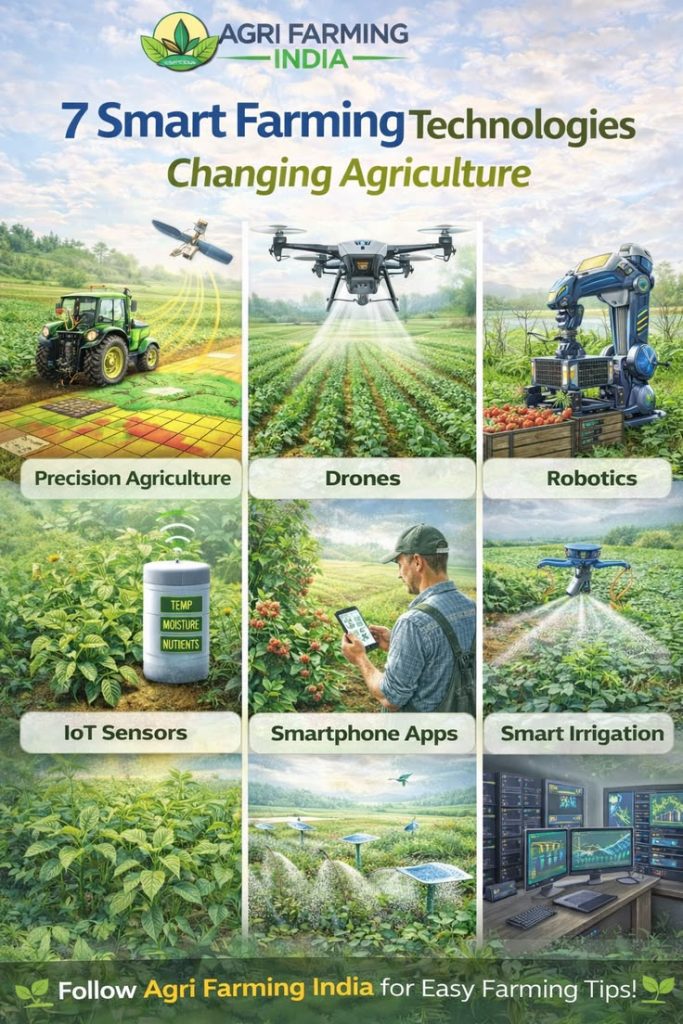
Precision Agriculture Technology
Precision agriculture is one of the most important innovations in modern farming.
What Is Precision Farming?
Precision agriculture uses advanced technology to monitor and manage farming operations accurately.
This includes:
- GPS systems
- Sensors
- Drones
- Satellite imaging
- Farm management software
- Data analytics
These tools help farmers make smarter decisions while reducing unnecessary expenses.
Benefits of Precision Agriculture
Precision farming helps farmers:
- Apply fertilizers accurately
- Reduce chemical waste
- Monitor crop health
- Improve irrigation efficiency
- Increase yields
- Lower production costs
Data-driven farming improves both profitability and sustainability.
Smart Irrigation Systems
Water management is essential in agriculture, and modern irrigation systems significantly reduce water waste and labor costs.
Automated Irrigation Controllers
Smart irrigation systems automatically adjust watering schedules based on weather conditions and soil moisture levels.
Benefits include:
- Reduced water consumption
- Lower labor requirements
- Improved crop health
- Prevention of overwatering
Automation helps farmers save both time and money.
Drip Irrigation Technology
Drip irrigation delivers water directly to plant roots, minimizing evaporation and runoff.
Advantages of drip irrigation include:
- High water efficiency
- Reduced weed growth
- Lower fertilizer loss
- Improved crop productivity
Drip systems are especially useful for vegetable farms, orchards, and greenhouse operations.
Soil Moisture Sensors
Modern soil sensors monitor moisture levels in real time.
These sensors help farmers:
- Avoid unnecessary irrigation
- Improve water management
- Reduce energy costs
- Prevent plant stress
Precision watering improves agricultural efficiency.
High-Quality Hybrid Seeds
Improved seed technology plays a major role in modern agricultural productivity.
Advantages of Hybrid Seeds
Hybrid and genetically improved seeds often provide:
- Higher yields
- Faster growth
- Better disease resistance
- Drought tolerance
- Improved crop quality
Strong seed genetics reduce crop failure risks and improve profitability.
Time-Saving Benefits
High-performance seeds reduce the need for repeated planting and intensive crop management.
Farmers benefit from:
- Uniform crop growth
- Faster harvesting
- Lower crop losses
- Reduced maintenance requirements
Efficient crop production starts with quality seeds.
Controlled-Release Fertilizers
Traditional fertilizer application often wastes nutrients and increases labor costs.
What Are Controlled-Release Fertilizers?
Controlled-release fertilizers gradually release nutrients over time according to crop needs.
Benefits include:
- Reduced fertilizer waste
- Lower labor costs
- Improved nutrient absorption
- Reduced environmental pollution
Farmers apply fertilizers less frequently while maintaining strong crop growth.
Fertigation Systems
Fertigation combines irrigation and fertilizer application in a single system.
Advantages include:
- Precise nutrient delivery
- Better fertilizer efficiency
- Reduced labor
- Faster nutrient absorption
Fertigation is commonly used in modern irrigation systems.
Agricultural Drones
Drones are becoming increasingly popular in modern farming operations.
Uses of Farming Drones
Agricultural drones help farmers:
- Monitor crop health
- Detect pest outbreaks
- Survey farmland
- Analyze irrigation problems
- Spray pesticides and fertilizers
Drone technology reduces manual field inspections and improves efficiency.
Time and Cost Savings
Drones can cover large agricultural areas quickly, saving hours of labor.
Benefits include:
- Faster field monitoring
- Reduced fuel usage
- Accurate spraying
- Early problem detection
Drone-assisted farming improves productivity while reducing operational expenses.
Modern Farm Machinery
Advanced machinery has dramatically reduced labor requirements in agriculture.
GPS-Guided Tractors
Modern tractors use GPS technology for highly accurate field operations.
Benefits include:
- Reduced fuel consumption
- Improved planting accuracy
- Lower overlap during spraying
- Increased operational efficiency
Precision machinery reduces wasted resources.
Automated Harvesting Equipment
Automated harvesters speed up crop collection while reducing labor costs.
Examples include:
- Combine harvesters
- Fruit pickers
- Vegetable harvesting machines
- Hay balers
Mechanized harvesting improves efficiency during critical farming periods.
Multi-Purpose Farm Equipment
Modern machinery can perform multiple agricultural tasks with interchangeable attachments.
This reduces the need for purchasing separate equipment and lowers overall investment costs.
Biological Pest Control Products
Pest management is essential, but excessive chemical use increases costs and environmental risks.
Beneficial Insects
Farmers increasingly use beneficial insects to control agricultural pests naturally.
Examples include:
- Ladybugs for aphid control
- Parasitic wasps for caterpillar management
- Predatory mites for greenhouse pests
Biological control reduces pesticide expenses.
Organic Biopesticides
Modern biopesticides are safer alternatives to traditional chemical pesticides.
Advantages include:
- Lower environmental impact
- Reduced chemical resistance
- Improved food safety
- Better soil health
Biological crop protection supports sustainable agriculture.
Livestock Farming Innovations
Innovative inputs also improve livestock productivity and animal health.
Automated Feeding Systems
Automatic feeders deliver precise amounts of feed at scheduled times.
Benefits include:
- Reduced labor costs
- Improved feed efficiency
- Consistent nutrition
- Lower feed waste
Automation improves farm management efficiency.
Livestock Monitoring Sensors
Wearable livestock sensors monitor:
- Animal movement
- Feeding behavior
- Temperature
- Health conditions
Early health detection reduces veterinary costs and improves herd productivity.
Improved Animal Nutrition Products
Modern livestock supplements support:
- Faster growth
- Better immunity
- Improved reproduction
- Higher milk production
Efficient nutrition reduces long-term production costs.
Greenhouse Farming Technology
Greenhouse agriculture increasingly relies on innovative systems to maximize productivity.
Climate Control Systems
Automated greenhouse controls manage:
- Temperature
- Humidity
- Ventilation
- Lighting
Controlled environments improve crop consistency and reduce weather-related risks.
Hydroponic Farming Systems
Hydroponics allows crops to grow without soil using nutrient-rich water systems.
Benefits include:
- Faster growth cycles
- Reduced water use
- Space efficiency
- Lower weed problems
Hydroponic systems support year-round food production.
LED Grow Lighting
Modern LED agricultural lighting improves plant growth while reducing electricity costs.
Energy-efficient lighting supports indoor farming operations.
Farm Management Software
Digital farm management platforms help farmers organize and optimize agricultural operations.
Features of Farm Software
Modern software helps track:
- Crop schedules
- Equipment maintenance
- Irrigation data
- Livestock records
- Financial expenses
- Weather forecasts
Data organization improves decision-making.
Financial Benefits
Farm management software helps reduce unnecessary spending and improve resource allocation.
Digital tools support better long-term planning and profitability.
Renewable Energy Solutions for Farms
Energy costs are a major expense in modern agriculture.
Solar-Powered Farming Systems
Solar technology powers:
- Irrigation pumps
- Farm lighting
- Electric fencing
- Greenhouse systems
Solar energy reduces fuel and electricity costs.
Biogas Systems
Livestock waste can be converted into renewable energy through biogas systems.
Benefits include:
- Waste reduction
- Lower energy expenses
- Sustainable farming practices
Renewable energy improves farm sustainability and operational efficiency.
Common Mistakes Farmers Make with Farming Inputs
Even advanced agricultural tools require proper management.
Buying Cheap Low-Quality Products
Low-cost farming inputs often fail quickly and increase long-term expenses.
Ignoring Training and Education
Farmers should understand how to use modern technology effectively.
Overusing Chemicals
Excessive fertilizer and pesticide use increases costs and environmental damage.
Neglecting Equipment Maintenance
Poor machinery maintenance leads to breakdowns and productivity loss.
Proper management maximizes the value of innovative farming inputs.
The Future of Innovative Farming Inputs
Agricultural innovation continues advancing rapidly.
Future technologies may include:
- AI-powered farm automation
- Autonomous tractors
- Smart robotic harvesting
- Climate-adaptive crop genetics
- Advanced water recycling systems
- Fully connected smart farms
Technology-driven agriculture will continue reducing costs while increasing productivity.
Conclusion
Innovative farming inputs are transforming modern agriculture by helping farmers save time, reduce operational costs, and improve overall productivity. From precision agriculture and smart irrigation systems to hybrid seeds, automated machinery, livestock technology, and renewable energy solutions, modern farming innovations allow agricultural businesses to operate more efficiently and sustainably.
Farmers who adopt advanced agricultural inputs can reduce labor requirements, conserve resources, improve crop and livestock performance, and increase long-term profitability. In today’s competitive farming industry, efficiency and sustainability are essential for success.
As agricultural technology continues evolving, innovative farming inputs will play an increasingly important role in supporting global food production and sustainable farming systems. Farmers who embrace modern agricultural solutions will be better prepared to meet future challenges while building stronger and more profitable farming operations.
