May
Greenhouse Farming Techniques
In an era where the climate is increasingly acting like a moody teenager?unpredictable, volatile, and prone to extreme outbursts?traditional open-field agriculture is facing its toughest challenge yet. As the global population marches toward 10 billion, the pressure to produce high-quality food consistently has never been higher. Enter Greenhouse Farming, or Controlled Environment Agriculture (CEA).
Once a luxury for botanical hobbyists or niche flower growers, greenhouses have evolved into high-tech engines of food security. By creating a “”””Goldilocks”””” environment?where everything is just right?farmers can bypass the limitations of geography and season. This guide dives deep into the mechanics, the economics, and the future of growing under glass and plastic.
1. Defining the Glass Fortress: What Is Greenhouse Farming?
At its core, greenhouse farming is the practice of growing crops within a transparent or translucent structure. The fundamental principle is the Greenhouse Effect: solar radiation passes through the walls, is absorbed by the plants and soil, and is re-radiated as thermal energy (heat) that stays trapped inside.
However, modern greenhouse farming is far more than just “”””trapping heat.”””” It is about total environmental sovereignty. By manipulating variables like CO2 levels, vapor pressure deficit, and light spectra, a farmer becomes a weather god, dictating exactly when and how a plant thrives.

2. Structural Choices: Selecting Your Vessel
The “”””bones”””” of your greenhouse dictate your operational costs and what you can grow. Not all structures are created equal.
A Comparison of Greenhouse Types – Greenhouse Farming Techniques
| Type | Primary Material | Durability | Best For |
| Glass Greenhouse | High-grade glass | 25+ years | Commercial high-value crops, research. |
| Plastic (Poly) House | Polyethylene film | 3?5 years | Seasonal extension, budget-friendly farming. |
| Hoop Houses / Tunnels | PVC/Steel + Film | Low to Medium | Berry production, leafy greens, small-holders. |
| Polycarbonate | Rigid plastic panels | 10?15 years | High-impact resistance, excellent insulation. |
Glass: Offers the best light transmission (nearly 90%). Itfs permanent and aesthetic but requires a heavy, expensive frame.
Plastic/Poly: The most common commercial choice. Itfs cheaper and can be treated with UV inhibitors or infrared blockers to manage heat better than basic glass.
Tunnels: These are essentially “”””greenhouse-lite.”””” They offer protection from rain and wind but usually lack sophisticated automated climate control.
3. The Big Three: Essential Climate Control Techniques
Growing indoors is a balancing act. If you change one variable, three others move. Mastering these techniques is the difference between a bumper crop and a moldy mess.
I. Temperature Regulation: Avoiding the Oven
Plants have a “”””thermoneutral zone.”””” Too hot, and they stop photosynthesizing to save water; too cold, and their metabolism freezes.
Active Cooling: Evaporative cooling pads and high-velocity fans work together to pull hot air out and draw moisture-cooled air in.
Heating: Hydronic (hot water) pipes under benches or forced-air furnaces are standard.
Thermal Curtains: These act like blankets at night, reflecting heat back toward the plants and reducing heating bills by up to 40%.
II. Humidity and VPD (Vapor Pressure Deficit)
Humidity is often the “”””silent killer”””” in greenhouses. If it’s too high, fungal diseases like Botrytis (gray mold) explode. If itfs too low, plants wilt because they lose water faster than they can drink it.
The Pro Tip: Don’t just measure Relative Humidity (RH). Measure VPD. This tells you the difference between the moisture in the air and how much moisture the air can hold when saturated. Itfs the most accurate way to tell if your plants are “””breathing”””” (transpiring) correctly.
III. Light Management: Capturing the Spectrum
Sunlight is free, but it isnft always consistent.
Supplemental Lighting: During winter or in northern latitudes, LED grow lights are the industry standard. Unlike old HPS (High-Pressure Sodium) lamps, LEDs can be “”””tuned”””” to specific wavelengths?blue for compact, vegetative growth and red for flowering and fruiting.
Light Deprivation: Conversely, some plants (like certain flowers) need long periods of darkness to trigger blooming. Automated “”””blackout”””” curtains make this possible.
4. Precision Nutrition: Irrigation and Substrates
In a greenhouse, you aren’t just watering plants; you are managing a life-support system.
Drip Irrigation: This is the gold standard. By delivering water directly to the root zone via emitters, you reduce water waste by 90% compared to overhead sprinklers and keep the leaves dry (which prevents disease).
Fertigation: This is the process of injecting water-soluble fertilizers into the irrigation line. It allows for “”””spoon-feeding”””” the plants exactly what they need at their specific growth stage.
Soilless Media: Many greenhouses ditch traditional soil for substrates like Coco Coir (coconut husks), Perlite, or Rockwool. These materials are sterile, provide excellent aeration, and give the farmer total control over the nutrient “”””recipe.””””

5. Advanced Methodologies: The Future of CEA
If you want to push the boundaries of productivity, you move beyond the traditional pot-and-soil setup.
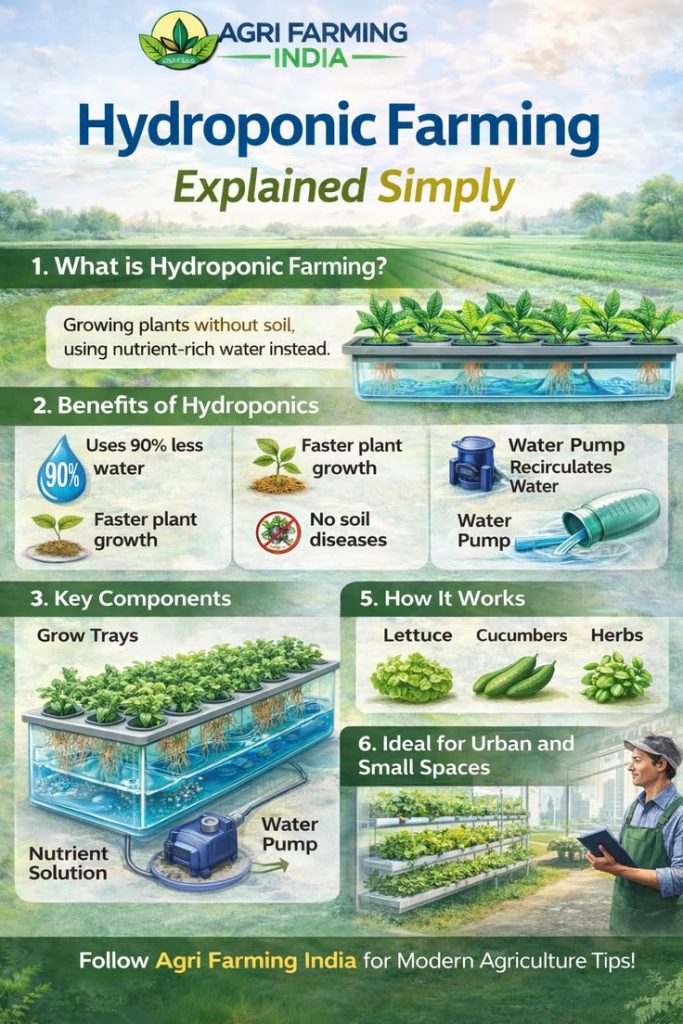
Hydroponics
Growing plants with their roots directly in a nutrient-rich water solution.
NFT (Nutrient Film Technique): A constant thin film of water flows over the roots.
Deep Water Culture (DWC): Plants float on rafts with roots submerged in aerated water.
Aeroponics
The “”””Formula 1″””” of farming. Roots are suspended in the air and misted with nutrient solution every few minutes. This provides maximum oxygen to the roots, leading to growth rates up to twice as fast as soil farming.
Vertical Farming
By stacking crops in layers, farmers can multiply their yield per square foot. This is particularly effective for leafy greens and herbs in urban environments where land is expensive.
6. Biosecurity and Integrated Pest Management (IPM)
A common misconception is that a greenhouse is a “”””sterile”””” bubble. In reality, once a pest like a spider mite or whitefly gets inside, itfs in paradise: no predators, perfect weather, and endless food.
Instead of heavy chemical spraying?which can damage the crop and the farmer?successful greenhouses use IPM:
Physical Barriers: Fine mesh screens on all vents.
Biological Controls: Releasing “”””good bugs”””” (like ladybugs or Encarsia formosa wasps) to hunt the “”””bad bugs.””””
Monitoring: Using yellow sticky traps to catch early “”””scouts”””” before they become an infestation.
7. The Economics: Is It Worth It?
Letfs get candid: greenhouse farming is capital-intensive. You are trading Upfront Cost (CAPEX) for Operational Reliability.
The Pros:
Yield Multiplier: A greenhouse can produce up to 10x the yield of an outdoor field of the same size.
Market Timing: You can sell tomatoes in December when prices are at their peak.
Resource Efficiency: Uses significantly less water and fertilizer than traditional farming.
The Cons:
Energy Bills: Keeping a glass house warm in a blizzard is expensive.
Technical Debt: If a pump breaks or a sensor fails at 2:00 AM, you could lose your entire crop in hours. You need a backup generator and a good toolkit.
8. Best Practices for the Aspiring Greenhouse Farmer
If youfre looking to start or optimize your operation, keep these “””Golden Rules”””” in mind:
Start with the Crop: Don’t build a greenhouse and then decide what to grow. A lettuce greenhouse looks very different from a cucumber greenhouse.
Prioritize Airflow: Stagnant air is the enemy. Horizontal Air Flow (HAF) fans should be running almost constantly to keep temperatures uniform and CO2 circulating.
Data is Your Best Fertilizer: Invest in a basic sensor array. Knowing your history of temperature and humidity peaks allows you to predict problems before they happen.
Hygiene is Non-Negotiable: Sanitize your tools, use footbaths at the entrance, and never bring outside plants into your “”””clean”””” zone.

9. The Horizon: AI and the “”””Smart”””” Greenhouse
The next decade of greenhouse farming will be defined by The Internet of Things (IoT) and Artificial Intelligence.
We are moving toward “”””Autonomous Greenhouses”””” where AI models analyze leaf color and growth patterns via cameras, automatically adjusting nutrient ratios and light intensity in real-time. Additionally, the integration of Renewable Energy?such as semi-transparent solar panels that double as greenhouse roofing?is solving the energy consumption challenge.
10. Frequently Asked Questions
Q: Can I grow anything in a greenhouse?
Technically, yes. Practically, no. You shouldn’t grow low-value crops like wheat or corn; the “”””rent”””” of the greenhouse space is too high. Focus on high-value, perishable items like berries, greens, and vine crops.
Q: Is it “”””Organic””””?
Greenhouse farming can be certified organic, provided you use organic-compliant fertilizers and pest controls. However, some regions have specific rules about whether soilless (hydroponic) systems can carry the organic label.
Q: How much water does it actually save?
Because you are capturing and often recycling the water (especially in closed-loop hydroponic systems), you can use up to 95% less water than traditional furrow irrigation.
Conclusion
Greenhouse farming is no longer a fringe method; it is a vital pillar of the modern agricultural revolution. While the barrier to entry?both in terms of cost and technical knowledge?is higher than traditional farming, the rewards are a resilient, sustainable, and highly profitable food system.
cchines
