May
Organic Fertilizers for Sustainable Farming
Introduction
In recent years, sustainable farming has gained global attention as agriculture faces increasing challenges such as soil degradation, climate change, and environmental pollution. Farmers are now looking for solutions that not only improve crop yields but also protect natural resources for future generations. One of the most effective ways to achieve this balance is through the use of organic fertilizers.
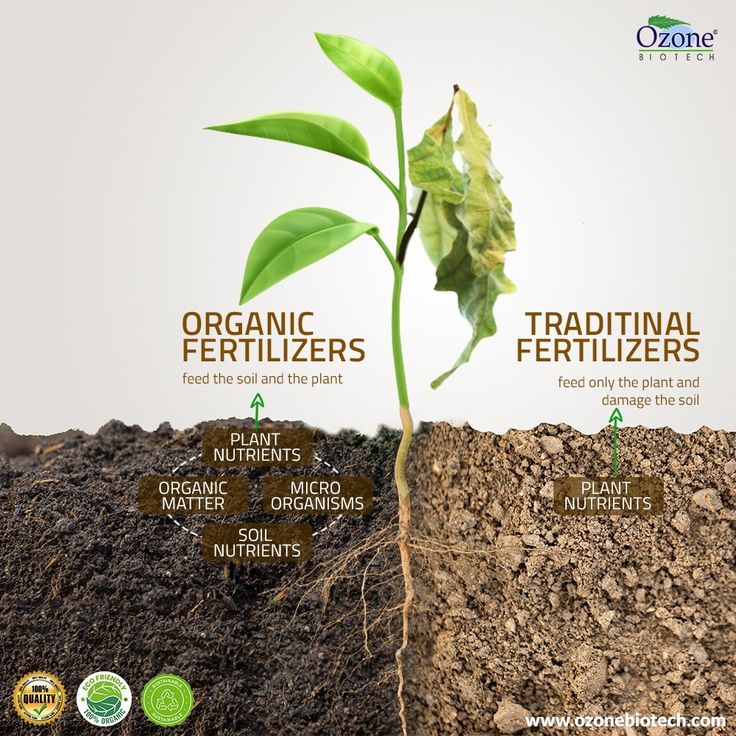
Organic fertilizers are natural substances derived from plant, animal, or mineral sources that enrich the soil and promote healthy plant growth. Unlike synthetic fertilizers, which provide quick but short-term results, organic fertilizers work gradually, improving soil structure and fertility over time.
This article explores the importance of organic fertilizers, their types, benefits, application methods, and how they contribute to sustainable agriculture.

What Are Organic Fertilizers?
Organic fertilizers are materials that come from natural sources such as compost, animal manure, green plants, and biological waste. These fertilizers contain essential nutrients required for plant growth, including nitrogen (N), phosphorus (P), and potassium (K), often referred to as NPK.
What makes organic fertilizers unique is their slow-release nature. Instead of delivering nutrients instantly, they break down over time through microbial activity in the soil. This process ensures a steady supply of nutrients and reduces the risk of nutrient leaching.
In addition, organic fertilizers improve the biological and physical properties of soil, making them an essential component of sustainable farming systems.
Why Organic Fertilizers Matter in Sustainable Farming
Sustainable farming aims to meet current agricultural needs without compromising the ability of future generations to produce food. Organic fertilizers play a crucial role in this approach by:
- Reducing dependence on chemical inputs
- Enhancing soil biodiversity
- Minimizing environmental pollution
- Supporting long-term productivity
As global demand for organic food continues to rise, farmers who adopt organic fertilizers can also benefit from premium market prices and increased consumer trust.
Key Benefits of Organic Fertilizers – Organic Fertilizers for Sustainable Farming
1. Improves Soil Structure and Fertility
Organic fertilizers increase the organic matter content in soil, which enhances its structure. Well-structured soil allows roots to penetrate easily, improves aeration, and increases water retention capacity.
Over time, this leads to healthier plants and more resilient crops.
2. Enhances Microbial Activity
Soil is a living ecosystem filled with microorganisms such as bacteria, fungi, and earthworms. Organic fertilizers provide food for these organisms, encouraging their growth and activity.
These microbes help decompose organic matter, release nutrients, and protect plants from harmful pathogens.
3. Provides Long-Term Nutrient Supply
Unlike chemical fertilizers that release nutrients quickly and can lead to nutrient loss, organic fertilizers release nutrients slowly. This ensures that plants receive a continuous supply of nutrients throughout their growth cycle.
4. Reduces Environmental Impact
Chemical fertilizers often contribute to water pollution through runoff, which can harm aquatic ecosystems. Organic fertilizers are environmentally friendly and reduce the risk of contamination.
They also help lower greenhouse gas emissions by promoting natural nutrient cycles.
5. Improves Crop Quality
Crops grown with organic fertilizers are often healthier, more nutritious, and better in taste. This is especially important for farmers targeting organic markets.
Types of Organic Fertilizers
1. Compost
Compost is produced by decomposing organic waste such as kitchen scraps, leaves, and crop residues.
Advantages:
- Improves soil texture
- Enhances moisture retention
- Provides balanced nutrients
Compost is widely used due to its accessibility and effectiveness.
2. Animal Manure
Manure from animals like cows, chickens, and sheep is rich in nutrients and widely used in agriculture.
Important note:
Manure should be composted or aged before use to eliminate pathogens and reduce odor.
3. Green Manure
Green manure involves growing specific crops (usually legumes) and then incorporating them into the soil.
These plants fix nitrogen from the atmosphere and enrich the soil naturally.
4. Bone Meal
Bone meal is a phosphorus-rich fertilizer made from ground animal bones. It is particularly useful for:
- Root development
- Flowering plants
- Fruit production
5. Fish-Based Fertilizers
Fish emulsion and fish meal are rich in nitrogen and trace minerals. They provide a quick nutrient boost and are commonly used in organic farming.
Best Practices for Using Organic Fertilizers
To maximize the benefits of organic fertilizers, farmers should follow several best practices:
1. Rotate Crops Regularly
Crop rotation helps maintain soil fertility and reduces pest buildup. When combined with organic fertilizers, it creates a highly sustainable system.
2. Use Cover Crops
Cover crops such as clover or legumes protect the soil and add nutrients naturally. They also prevent erosion and improve soil structure.

3. Maintain Composting Systems
Farmers can reduce costs by producing their own compost from farm waste. This not only saves money but also ensures a steady supply of organic fertilizer.
4. Integrate Livestock
Combining crop farming with livestock allows farmers to reuse animal manure as fertilizer, creating a closed-loop farming system.
Real-World Example
Many farms around the world have successfully transitioned to organic fertilizers. For example, small-scale farms in Asia and Europe have reported improved soil quality and increased yields after switching from chemical fertilizers to compost and manure.
In addition, organic farms often experience better long-term profitability due to reduced input costs and higher product prices.
Challenges of Using Organic Fertilizers
Despite their many benefits, organic fertilizers also have some limitations:
- Slower nutrient availability
- Requires more labor and planning
- Bulkier and harder to transport
- Nutrient content can vary
However, with proper management, these challenges can be minimized.
Organic vs Chemical Fertilizers
| Aspect | Organic Fertilizers | Chemical Fertilizers |
|---|---|---|
| Nutrient Release | Slow and steady | Fast |
| Soil Health | Improves | Can degrade |
| Environmental Impact | Low | High |
| Sustainability | High | Low |
| Cost (Long-term) | Lower | Higher |
The Role of Organic Fertilizers in Future Agriculture
The future of agriculture is moving toward sustainability and environmental responsibility. Organic fertilizers are at the center of this transformation.
Innovations such as biofertilizers, composting technologies, and integrated farming systems are making organic fertilizers more efficient and accessible.
Governments and organizations worldwide are also promoting organic farming practices through subsidies and educational programs.
Frequently Asked Questions (FAQ)
Are organic fertilizers better than chemical fertilizers?
Organic fertilizers are better for long-term soil health and environmental sustainability, while chemical fertilizers provide quick results but may harm the soil over time.
How long do organic fertilizers take to work?
Organic fertilizers release nutrients slowly, usually over weeks or months, depending on soil conditions and microbial activity.
Can organic fertilizers replace chemical fertilizers completely?
Yes, but it requires proper planning, soil management, and consistent application to maintain productivity.
Conclusion
Organic fertilizers are essential for sustainable farming. They not only provide nutrients to plants but also improve soil health, enhance biodiversity, and reduce environmental impact.
While they require more effort and patience compared to chemical fertilizers, their long-term benefits make them a valuable investment for farmers.
By adopting organic fertilizers, farmers can build a more resilient, productive, and sustainable agricultural system that benefits both people and the planet.
