Post
Livestock Care Essentials for Small and Large Farms
May
Livestock Care Essentials for Small and Large Farms
Livestock farming plays a critical role in global agriculture by providing meat, milk, eggs, wool, leather, and other valuable products that support food security and rural economies. Whether operating a small family farm or a large commercial livestock business, proper animal care is essential for maintaining healthy animals, maximizing productivity, and ensuring long-term farm sustainability.
Good livestock management goes beyond simply feeding animals. It involves nutrition, housing, healthcare, sanitation, breeding, disease prevention, and overall farm management practices. Farmers who prioritize animal welfare and efficient livestock care systems often experience healthier herds, better production rates, lower veterinary costs, and improved profitability.
In this comprehensive guide, we will explore the essential livestock care practices every farmer should understand to maintain productive and sustainable farming operations.

Understanding the Importance of Livestock Care
Healthy animals are the foundation of successful livestock farming. Proper care improves animal performance, reduces disease outbreaks, and increases product quality.
Benefits of Proper Livestock Care
Improved Animal Health – Livestock Care Essentials
Healthy animals grow faster, reproduce more efficiently, and resist diseases better.
Higher Farm Productivity
Well-managed livestock produce more milk, meat, eggs, and wool.
Reduced Veterinary Costs
Preventive care lowers the risk of expensive disease treatments.
Better Product Quality
Healthy animals produce safer and higher-quality agricultural products.
Increased Farm Profitability
Efficient livestock management improves overall farm income.
Good animal care also supports sustainable agriculture and ethical farming practices.
Choosing the Right Livestock for Your Farm
Different livestock species require different management systems.
Common Farm Animals
Cattle
Raised for:
- Milk production
- Beef production
- Breeding
Poultry
Includes:
- Chickens
- Ducks
- Turkeys
- Quail
Poultry farming supports egg and meat production.
Goats
Popular for:
- Milk
- Meat
- Fiber production
Sheep
Commonly raised for:
- Wool
- Meat
- Milk
Pigs
Highly efficient meat-producing animals.
Farmers should select livestock based on:
- Climate conditions
- Farm size
- Feed availability
- Market demand
- Budget and labor capacity
Choosing suitable livestock improves management efficiency and profitability.
Proper Nutrition and Balanced Feeding
Nutrition is one of the most important factors affecting livestock health and productivity.
Essential Nutrients for Livestock
Animals require:
- Proteins
- Carbohydrates
- Fats
- Vitamins
- Minerals
- Clean water
Balanced diets support growth, reproduction, and disease resistance.

Feeding Strategies for Healthy Livestock
Provide High-Quality Feed
Good feed sources include:
- Pasture grass
- Hay
- Silage
- Grains
- Commercial feed mixes
Poor-quality feed reduces productivity and weakens animal health.
Ensure Proper Feeding Schedules
Consistent feeding times help maintain digestion and reduce stress.
Feeding Frequency
Different animals require different schedules:
- Dairy cows often eat multiple times daily
- Poultry require constant feed access
- Grazing animals benefit from pasture rotation
Clean Water Supply
Water is critical for animal survival and productivity.
Importance of Clean Drinking Water
Animals need water for:
- Digestion
- Temperature regulation
- Milk production
- Nutrient absorption
Dirty water can spread diseases and reduce livestock performance.
Farmers should regularly clean water troughs and monitor water quality.
Proper Livestock Housing and Shelter
Good housing protects animals from harsh weather, predators, and diseases.
Features of Good Animal Housing
Proper Ventilation
Ventilation reduces moisture, heat stress, and airborne diseases.
Adequate Space
Overcrowding increases stress and disease transmission.
Dry Flooring
Dry bedding reduces infections and improves animal comfort.
Temperature Protection
Shelters should protect animals from:
- Extreme heat
- Cold temperatures
- Heavy rain
- Strong winds
Comfortable animals are healthier and more productive.
Sanitation and Farm Hygiene
Clean farm conditions are essential for disease prevention.
Important Hygiene Practices
Regular Cleaning
Clean:
- Barns
- Feeders
- Water troughs
- Equipment
Waste Management
Proper manure disposal helps reduce:
- Odors
- Fly populations
- Disease risks
Disinfection Procedures
Regular disinfection minimizes harmful bacteria and viruses.
Good sanitation improves overall farm biosecurity.
Disease Prevention and Vaccination
Disease outbreaks can cause major economic losses in livestock farming.
Common Livestock Diseases
Cattle Diseases
- Foot-and-mouth disease
- Mastitis
- Brucellosis
Poultry Diseases
- Avian influenza
- Newcastle disease
Swine Diseases
- African swine fever
- Respiratory infections
Vaccination Programs
Vaccinations protect animals against serious diseases.
Benefits of Vaccination
- Reduced mortality
- Improved herd immunity
- Lower treatment costs
- Better production performance
Farmers should follow veterinary vaccination schedules carefully.
Quarantine and Biosecurity Measures
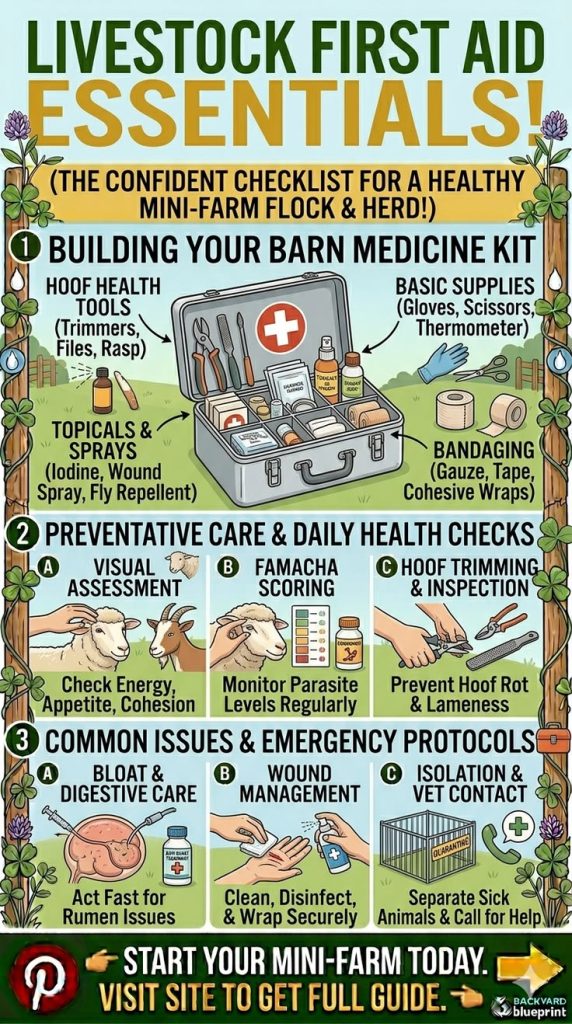
New or sick animals should be isolated to prevent disease spread.
Biosecurity Practices
- Restrict visitor access
- Disinfect equipment
- Control pests and rodents
- Monitor animal health daily
Strong biosecurity systems protect farm productivity.
Livestock Breeding and Reproduction Management
Efficient breeding improves herd quality and farm profitability.
Select Healthy Breeding Animals
Good breeding stock should have:
- Strong genetics
- Good health
- High productivity
- Disease resistance
Artificial Insemination and Modern Breeding
Many farms use artificial insemination to improve genetics efficiently.
Benefits
- Better genetic selection
- Reduced disease transmission
- Improved production traits
Proper reproductive management supports sustainable livestock growth.
Grazing and Pasture Management
Pasture management is especially important for cattle, sheep, and goats.
Benefits of Rotational Grazing
Rotational grazing helps:
- Prevent overgrazing
- Improve pasture recovery
- Increase soil fertility
- Reduce parasite problems
Healthy pastures provide nutritious natural feed for livestock.
Animal Welfare and Stress Reduction
Animal welfare is increasingly important in modern farming.
Signs of Animal Stress
- Reduced appetite
- Aggressive behavior
- Weight loss
- Lower productivity
How to Improve Animal Welfare
Provide Comfortable Living Conditions
Animals need:
- Clean bedding
- Adequate shelter
- Proper ventilation
Minimize Rough Handling
Gentle handling reduces stress and injuries.
Prevent Overcrowding
Enough space supports natural animal behavior.
Better welfare improves productivity and product quality.
Livestock Monitoring and Record Keeping
Accurate records help farmers make better management decisions.
Important Farm Records
Track:
- Feed consumption
- Vaccinations
- Births
- Breeding history
- Milk production
- Weight gain
- Veterinary treatments
Good records improve farm planning and profitability.
Technology in Modern Livestock Farming
Smart farming technology is transforming livestock management.
Useful Livestock Technologies
Automated Feeding Systems
Provide accurate feeding schedules and reduce labor.
Livestock Tracking Devices
Monitor animal movement and health conditions.
Smart Sensors
Detect:
- Body temperature
- Activity levels
- Health abnormalities
Farm Management Software
Helps organize production data and improve decision-making.
Technology increases efficiency and reduces operational costs.
Sustainable Livestock Farming Practices
Sustainable farming protects the environment while maintaining productivity.
Sustainable Livestock Strategies
Manure Recycling
Animal waste can become organic fertilizer or biogas energy.
Water Conservation
Efficient water systems reduce waste.
Renewable Energy
Solar and biogas systems lower farm energy costs.
Integrated Farming Systems
Combining crops and livestock improves resource efficiency.
Sustainability supports long-term agricultural success.
Common Mistakes in Livestock Care
Farmers sometimes reduce productivity through poor management practices.
Common Livestock Farming Errors
- Poor nutrition
- Overcrowded housing
- Inadequate sanitation
- Delayed disease treatment
- Poor record keeping
- Insufficient water supply
Avoiding these mistakes improves animal health and farm profitability.
Emergency Preparedness for Livestock Farms
Farmers should prepare for emergencies such as:
- Disease outbreaks
- Floods
- Droughts
- Power failures
- Extreme weather events
Emergency Planning Tips
- Store backup feed and water
- Maintain veterinary contacts
- Prepare evacuation plans
- Use backup power systems
Prepared farms recover faster during crises.
Future Trends in Livestock Farming
Livestock agriculture continues evolving with modern technology and sustainability goals.
Emerging Innovations
- Precision livestock farming
- AI-powered health monitoring
- Automated milking systems
- Climate-smart livestock management
- Sustainable feed alternatives
These innovations aim to improve productivity while reducing environmental impact.
Conclusion
Proper livestock care is essential for building healthy, productive, and profitable farming operations. Whether managing a small farm or a large commercial livestock business, farmers must focus on nutrition, housing, sanitation, disease prevention, breeding, and animal welfare to achieve long-term success.
Healthy animals not only produce better meat, milk, eggs, and other products but also reduce veterinary costs and improve farm sustainability. By adopting modern livestock management techniques, smart farming technologies, and sustainable agricultural practices, farmers can create resilient operations capable of meeting future food demands.
As agriculture continues advancing, investing in proper livestock care will remain one of the most important factors for successful and sustainable farming.
