Post
Beginner’s Guide to Choosing Quality Seeds and Saplings
May
Beginner’s Guide to Choosing Quality Seeds and Saplings
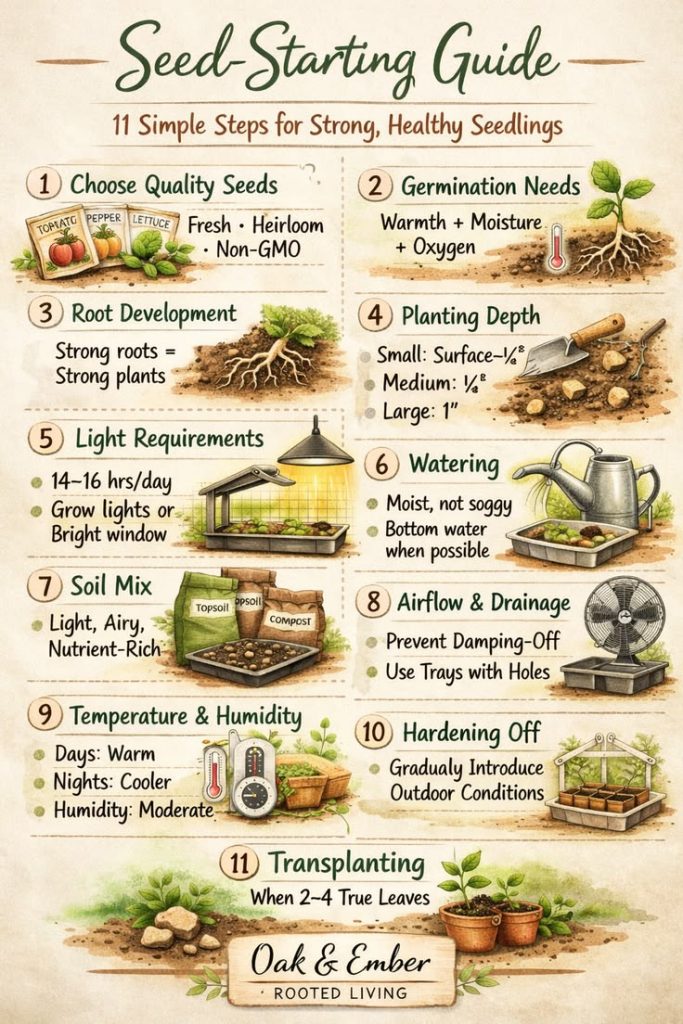
Choosing the right seeds and saplings is one of the most important decisions in farming and gardening. Healthy seeds and strong saplings form the foundation of productive crops, better yields, and long-term agricultural success. Whether you are starting a home garden, launching a small farm, or managing a commercial agricultural operation, understanding how to select quality planting materials can significantly improve your results.
Many beginners fail to achieve healthy harvests because they use low-quality seeds or weak saplings that struggle to grow, resist diseases poorly, or produce low yields. By learning how to identify reliable seeds and healthy young plants, growers can avoid costly mistakes and build more productive farms and gardens.
This beginner’s guide explains everything you need to know about choosing quality seeds and saplings, including seed types, plant health indicators, buying tips, storage methods, and sustainable farming practices.

Why Quality Seeds and Saplings Matter
Seeds and saplings determine the future health and productivity of crops. High-quality planting materials improve germination, strengthen plant growth, and increase resistance to pests and diseases.
Benefits of Choosing Quality Seeds and Saplings
Higher Germination Rates
Healthy seeds sprout more successfully and uniformly.
Stronger Plant Growth
Quality saplings establish roots faster and grow more vigorously.
Better Disease Resistance
Strong plants are less vulnerable to common crop diseases.
Increased Crop Yields
Good planting materials often produce larger and healthier harvests.
Improved Profitability
Higher yields and healthier crops increase farm income and reduce losses.
Investing in quality seeds and saplings saves time, money, and effort in the long run.
Understanding the Difference Between Seeds and Saplings
Before selecting planting materials, beginners should understand the difference between seeds and saplings.
What Are Seeds?
Seeds are the reproductive units of plants that grow into mature crops under suitable conditions.
Common seed-grown crops include:
- Tomatoes
- Corn
- Lettuce
- Spinach
- Beans
- Cucumbers
What Are Saplings?
Saplings are young plants that have already germinated and developed roots, stems, and leaves.
Examples include:
- Fruit trees
- Coffee plants
- Pepper plants
- Mango trees
- Citrus plants
Saplings are often used for crops that require longer growing periods.
Types of Seeds Available for Farming and Gardening
Understanding seed types helps beginners make smarter purchasing decisions.
Open-Pollinated Seeds
Open-pollinated seeds are naturally pollinated by insects, birds, wind, or other natural methods.
Benefits
- Seeds can be saved for future planting
- Often adaptable to local climates
- Suitable for organic farming
Drawbacks
- Less uniform than hybrid varieties
- May produce slightly lower yields
Open-pollinated seeds are ideal for sustainable and traditional farming systems.
Hybrid Seeds
Hybrid seeds are created by crossing two different plant varieties to produce improved traits.
Benefits
- Higher yields
- Faster growth
- Better disease resistance
- Uniform crop quality
Drawbacks
- Seeds usually cannot be reused effectively
- Often more expensive
Hybrid seeds are commonly used in commercial agriculture for maximum productivity.
Heirloom Seeds
Heirloom seeds are traditional plant varieties passed down through generations.
Advantages
- Rich flavor and diversity
- Suitable for seed saving
- Popular in organic gardening
Limitations
- Sometimes less disease-resistant
- Lower commercial yields
Heirloom crops are valued for their unique characteristics and biodiversity.

Organic Seeds
Organic seeds are produced without synthetic chemicals or genetically modified organisms (GMOs).
Benefits
- Environmentally friendly
- Suitable for organic farming
- Support sustainable agriculture
Organic seeds are increasingly popular among eco-conscious farmers and gardeners.

How to Identify High-Quality Seeds
Beginners should learn how to inspect seeds before purchasing.
Check Seed Appearance
Healthy seeds should:
- Have consistent size and color
- Look clean and dry
- Be free from cracks or mold
Damaged or discolored seeds may have poor germination rates.
Review Germination Rates
Seed packaging often lists germination percentages.
Recommended Germination Standards
Good quality seeds usually have:
- 80% to 95% germination rates
Higher germination means more successful plant growth.
Verify Expiration Dates
Old seeds lose viability over time.
Always check:
- Packaging dates
- Expiration dates
- Storage recommendations
Fresh seeds generally produce better results.
Buy from Reputable Suppliers
Reliable suppliers provide certified, disease-free seeds.
Good Sources Include
- Agricultural supply stores
- Certified nurseries
- Government agricultural agencies
- Trusted online seed companies
Avoid buying seeds from unreliable or unknown sellers.
How to Choose Healthy Saplings
Healthy saplings establish faster and produce stronger crops.
Inspect Leaf Health
Leaves should be:
- Green and vibrant
- Free from yellowing
- Free from spots or damage
Healthy leaves indicate strong plant vitality.
Examine Root Systems
Roots should appear:
- White or light-colored
- Well-developed
- Moist but not rotten
Avoid saplings with tangled or damaged roots.
Check Stem Strength
Strong stems support healthy plant growth.
Good stems should:
- Stand upright
- Be firm and sturdy
- Show no cracks or decay
Weak stems may indicate poor plant health.
Avoid Pest-Infested Plants
Inspect saplings carefully for:
- Holes in leaves
- Insects
- Webbing
- Mold
- Wilting
Diseased plants can spread problems throughout farms and gardens.
Choosing Seeds and Saplings Based on Climate
Climate compatibility is essential for successful crop production.
Warm Climate Crops
Suitable for tropical and subtropical regions:
- Papaya
- Banana
- Peppers
- Tomatoes
- Okra
Cool Climate Crops
Ideal for temperate climates:
- Lettuce
- Spinach
- Carrots
- Broccoli
- Peas
Choosing climate-appropriate crops improves productivity and reduces stress on plants.
Selecting Crops Based on Soil Type
Different plants perform better in specific soil conditions.
Sandy Soil
Best for:
- Carrots
- Potatoes
- Watermelon
Clay Soil
Suitable for:
- Rice
- Broccoli
- Cabbage
Loamy Soil
Excellent for most vegetables and fruit crops.
Conducting soil tests helps determine the best crop choices.
Fast-Growing Seeds for Beginners
Some crops are easier and faster for beginners to grow successfully.
Easy Fast-Growing Crops
Radishes
- Grow in 20–30 days
- Require minimal care
Lettuce
- Quick harvest cycles
- Easy maintenance
Spinach
- Fast germination
- Nutrient-rich crop
Beans
- Productive and beginner-friendly
Fast-growing crops help beginners gain farming confidence quickly.
Fruit Saplings Ideal for Beginners
Fruit saplings are excellent long-term investments.
Recommended Beginner Fruit Trees
Papaya
- Fast fruit production
- Easy tropical crop
Guava
- Hardy and disease-resistant
Lemon
- High market demand
- Adaptable to many climates
Banana
- Rapid growth
- Continuous harvest potential
Selecting beginner-friendly fruit saplings increases success rates.
Organic Farming and Sustainable Planting Materials
Many growers now prefer sustainable agricultural practices.
Benefits of Organic Seeds and Saplings
- Reduce chemical dependency
- Protect biodiversity
- Improve soil health
- Support eco-friendly farming
Organic planting materials are ideal for sustainable agriculture systems.
Smart Farming Technology for Seed Selection
Modern farming technology helps farmers make better planting decisions.
Useful Smart Farming Tools
Soil Testing Kits
Help determine nutrient levels and pH balance.
Climate Monitoring Systems
Track weather conditions for better crop planning.
Precision Agriculture Software
Analyzes crop performance and planting schedules.
Technology improves planting accuracy and farm productivity.
Proper Seed Storage Tips
Even high-quality seeds can fail if stored incorrectly.
Best Seed Storage Practices
- Keep seeds dry
- Store in cool temperatures
- Use airtight containers
- Protect from sunlight and moisture
Proper storage extends seed lifespan and maintains germination quality.
Common Mistakes Beginners Should Avoid
New growers often make avoidable planting mistakes.
Common Errors
- Buying low-quality seeds
- Ignoring climate suitability
- Overwatering seedlings
- Planting in poor soil
- Using diseased saplings
- Improper seed storage
Avoiding these mistakes improves crop success and reduces losses.
Future Trends in Seed and Sapling Development
Agricultural innovation continues improving planting materials.
Emerging Trends
- Climate-resistant seeds
- Drought-tolerant crops
- Disease-resistant hybrids
- Precision breeding
- Sustainable organic seed production
Modern agricultural science helps farmers adapt to changing environmental conditions.
Conclusion
Choosing quality seeds and saplings is one of the most important steps toward successful farming and gardening. Healthy planting materials improve germination, increase yields, strengthen disease resistance, and support long-term agricultural sustainability.
Beginners should carefully evaluate seed quality, plant health, climate compatibility, soil conditions, and supplier reliability before making purchases. Whether growing vegetables, fruits, herbs, or commercial crops, investing in high-quality seeds and saplings leads to stronger plants and more productive harvests.
As agriculture continues evolving with smart farming technologies and sustainable practices, selecting the right planting materials will remain essential for achieving healthy crops, profitable farming, and long-term success.
